Iconic ads share a common trait: they communicate their message almost instantly, often in under three seconds, through simple visual metaphors, minimalist design, or clever demonstrations rather than complex copy. Campaigns like Volkswagen's "Think Small" proved that honest, uncluttered messaging can build lasting brand trust and reshape how an entire industry advertises.
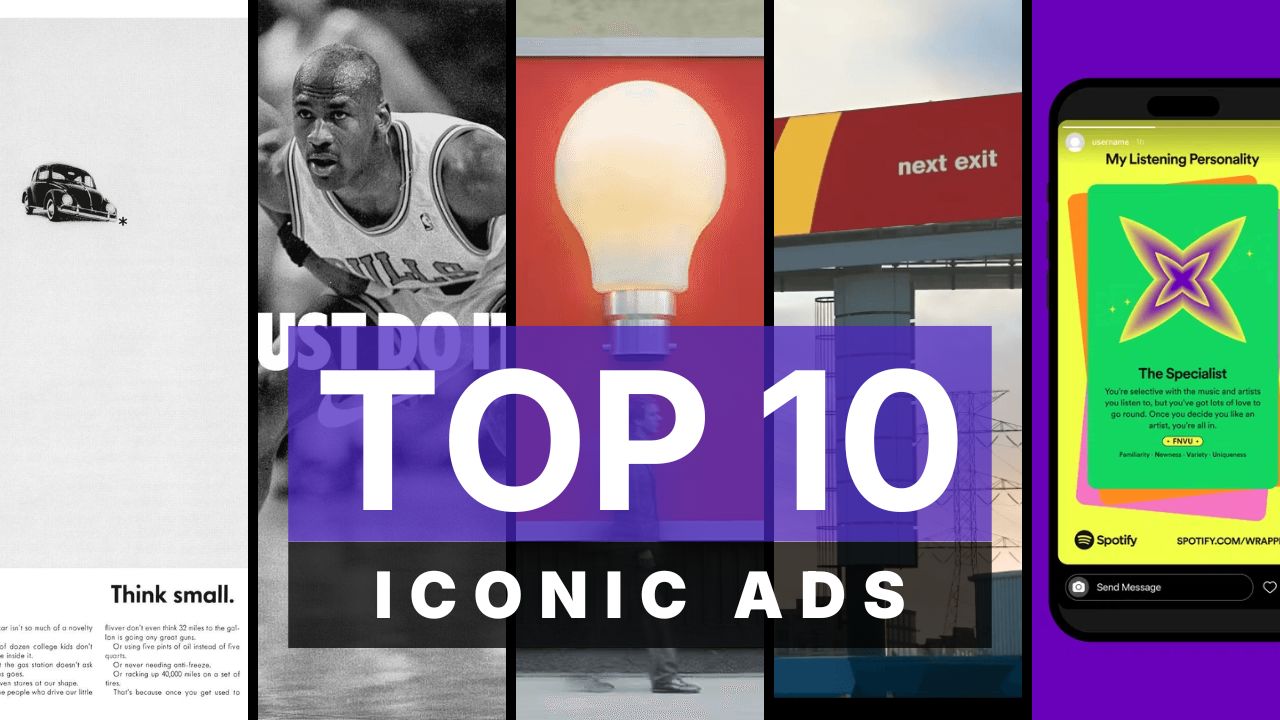
Some of the most powerful advertisements in history share one thing in common: simplicity. A single visual, a clear message, and a strong idea can create campaigns that remain relevant for decades.
From classic print advertising to modern social media campaigns, these iconic ads show how creative storytelling, visual metaphors, and brand consistency can capture attention and influence consumer perception.
Below are ten static advertising campaigns that continue to be studied in marketing and advertising strategy.
1. Volkswagen - Think Small
Medium: Print Advertisement
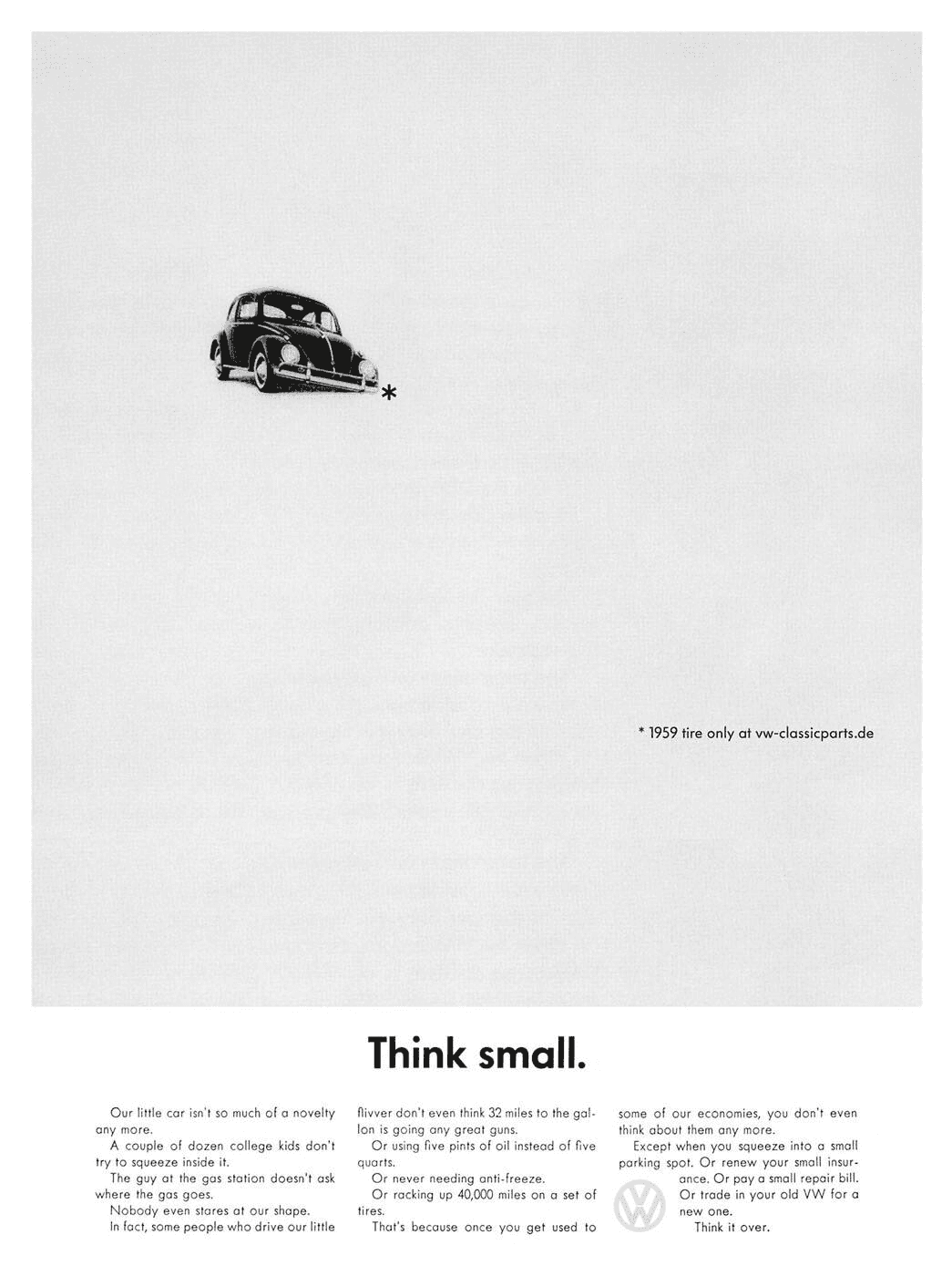
The Volkswagen “Think Small” campaign challenged traditional car advertising by embracing minimalism and honesty. Instead of showcasing luxury or power, the ad highlighted the car’s small size using a simple layout with large white space.
Why it worked
The campaign used wit and authenticity to stand out from overly promotional automotive ads. The minimal design made the message instantly understandable.
Impact
It transformed modern advertising by proving that simple, honest messaging can build strong brand trust and influence consumer perception.
2. Apple - Think Different
Medium: Print Campaign
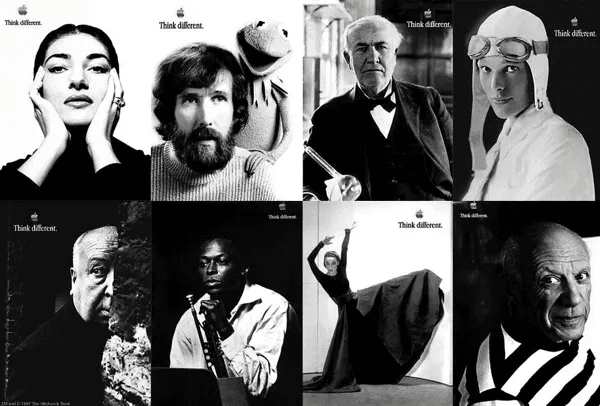
Apple’s “Think Different” campaign featured influential figures such as Albert Einstein and Muhammad Ali rather than focusing on product features.
Why it worked
The campaign associated the brand with creativity, innovation, and unconventional thinking. By celebrating visionaries, Apple positioned itself as a tool for people who challenge norms.
Impact
The campaign helped redefine Apple’s brand identity and reinforced its position as a company built for creative thinkers and innovators.
3. Nike - Just Do It
Medium: Print and Outdoor Campaign
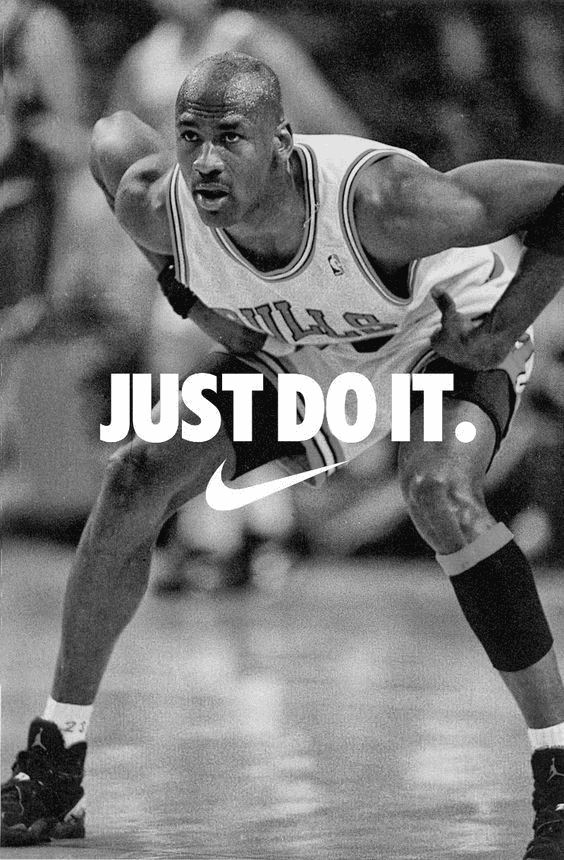
Nike’s “Just Do It” campaign focused on human determination and athletic ambition rather than specific product features.
Why it worked
The messaging tapped into universal emotions around motivation and self-improvement. The slogan was simple, memorable, and easy to apply across different sports and audiences.
Impact
The phrase “Just Do It” became one of the most recognizable brand slogans in marketing history, strengthening Nike’s global brand identity.
4. McDonald’s - Follow the Arches
Medium: Billboard / Outdoor Advertising
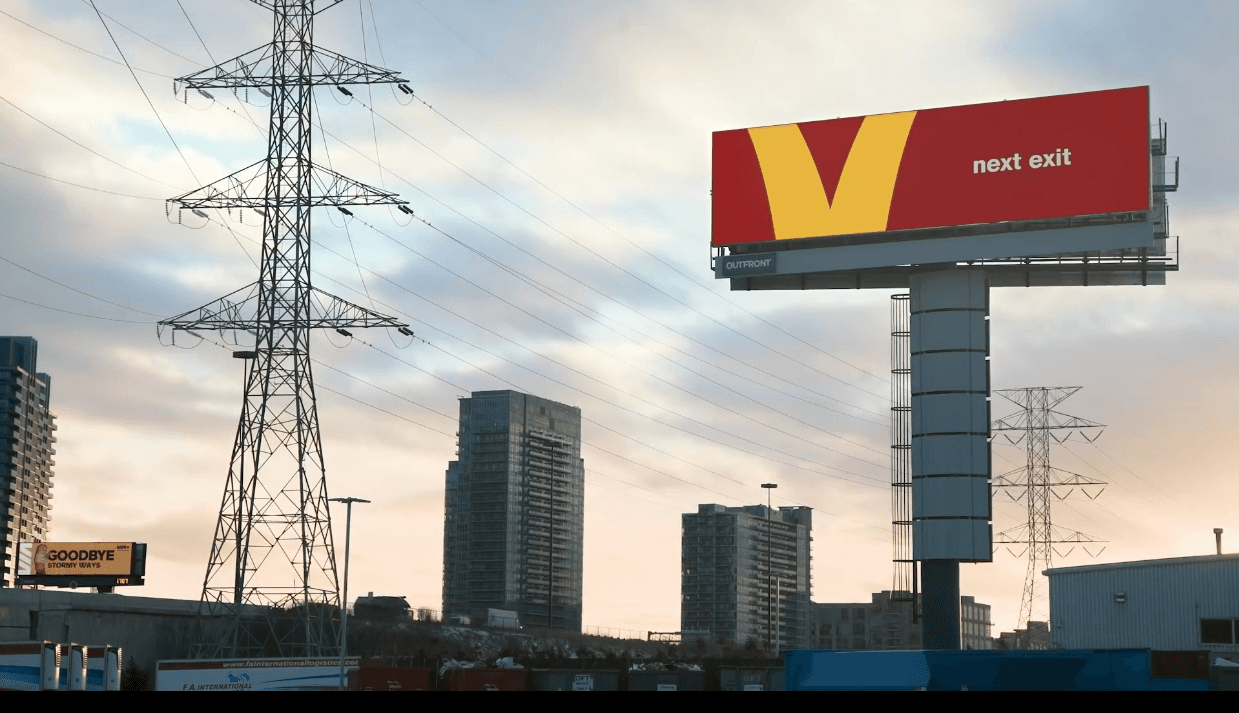
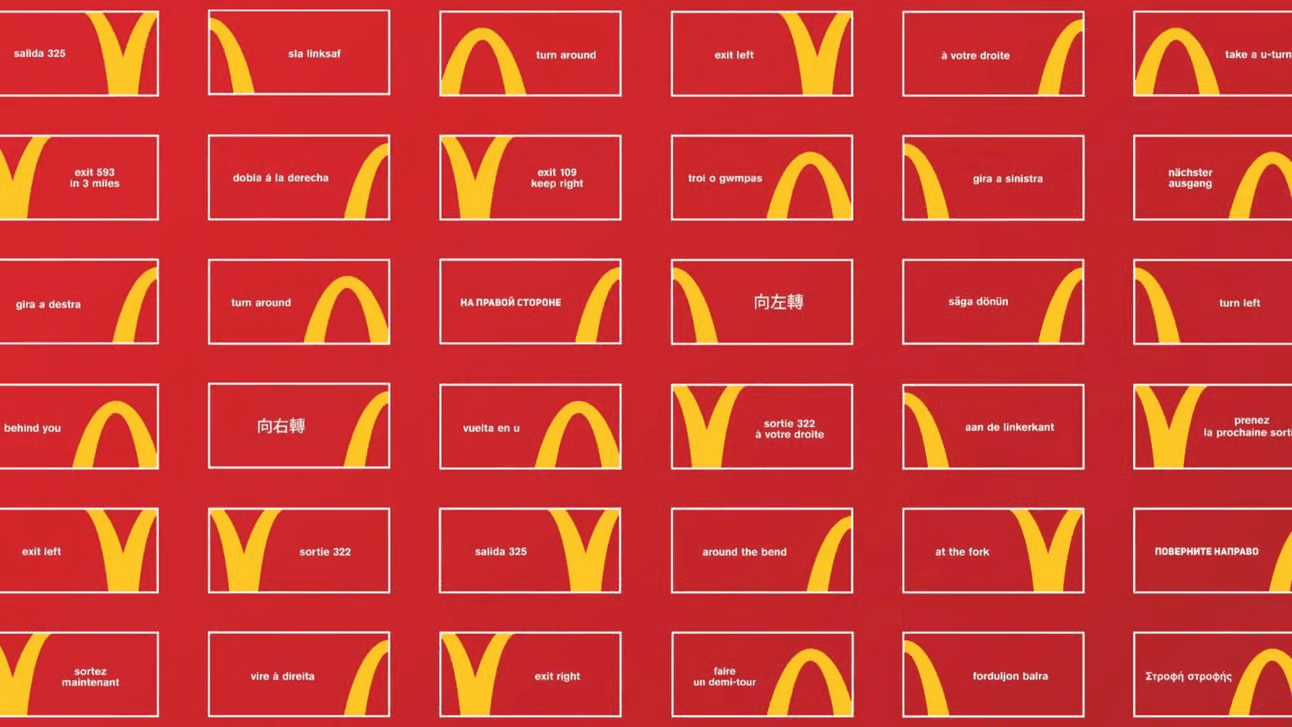
McDonald’s used segments of its golden arches logo as directional arrows pointing drivers toward nearby restaurants.
Why it worked
The campaign relied on one of the brand’s strongest visual assets. Even partial use of the arches was enough for people to recognize the brand instantly.
Impact
It became a celebrated example of how strong brand assets can drive creative advertising without heavy messaging.
5. KitKat - Have a Break Bench
Medium: Outdoor Installation
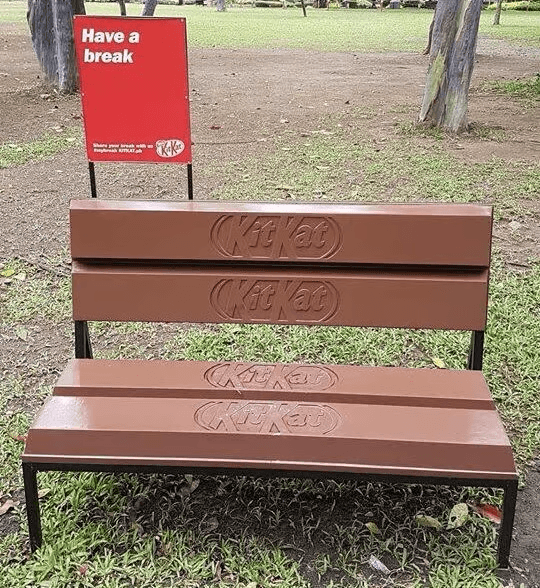
KitKat transformed a public bench into a giant chocolate bar, visually reinforcing its famous tagline “Have a Break.”
Why it worked
The campaign integrated the product into everyday environments, turning ordinary street furniture into an interactive brand experience.
Impact
It demonstrated how environmental advertising can creatively reinforce brand messaging while attracting public attention.
6. WWF - Lungs Forest Fire
Medium: Print Advertisement
This environmental campaign depicted forests shaped like human lungs being destroyed by fire.

Why it worked
The ad used a powerful visual metaphor to communicate the relationship between forests and human survival. The message required no complex explanation.
Impact
The campaign became widely shared and recognized as one of the most impactful environmental awareness advertisements.
7. Bic - Shaving Grass
Medium: Billboard Advertisement
Bic created a billboard showing grass being shaved by a razor, demonstrating the product’s sharpness.

Why it worked
The product benefit was communicated instantly through visual storytelling. Viewers could understand the message in seconds without reading copy.
Impact
The campaign became a classic example of visual demonstration advertising, where the product’s function is communicated creatively.
8. Heinz - AI Ketchup Campaign
Medium: Social Media Campaign
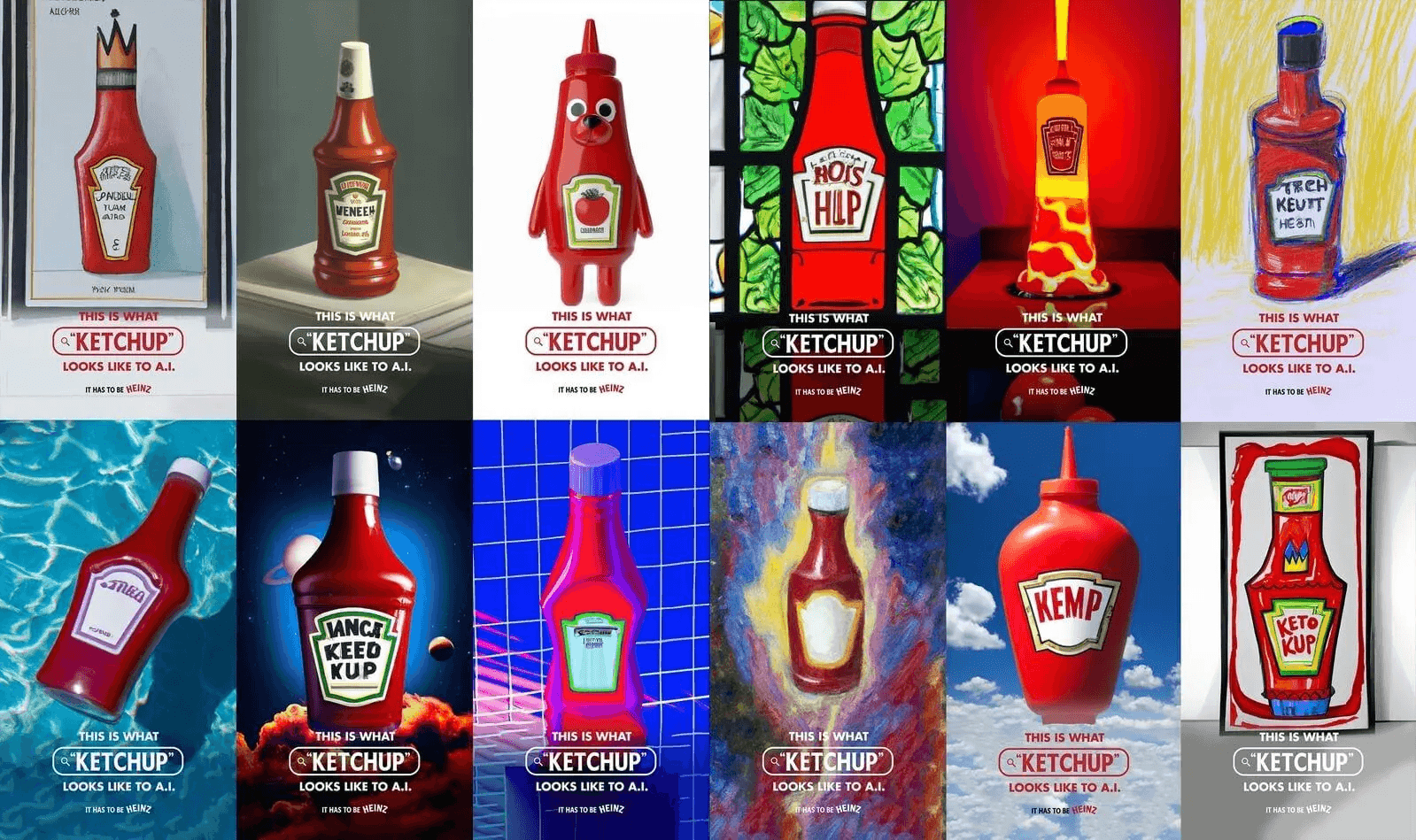
Heinz asked artificial intelligence tools to generate images of ketchup bottles.
Why it worked
Many of the generated images resembled Heinz bottles, reinforcing the idea that the brand has become synonymous with ketchup.
Impact
The campaign went viral online and demonstrated the power of AI-driven creative campaigns combined with strong brand recognition.
9. Spotify - Wrapped Campaign
Medium: Social Media and Digital Campaign
Spotify Wrapped turns users’ listening data into personalized shareable graphics each year.
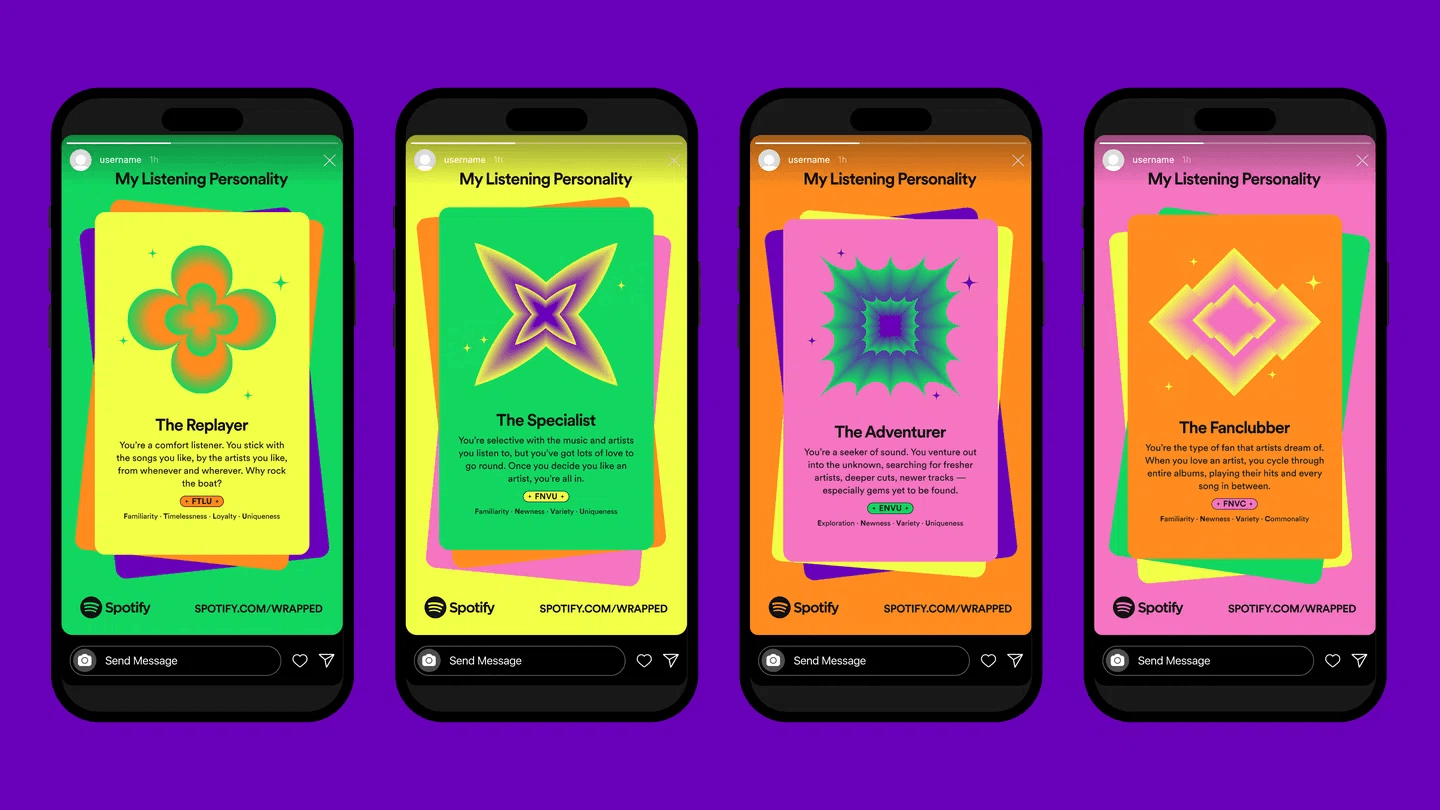
Why it worked
The campaign made consumers part of the marketing experience by turning their personal data into engaging content.
Impact
Millions of users share their results each year, making Spotify Wrapped one of the most successful organic social media campaigns.
10. The Economist - Lightbulb Billboard
Medium: Outdoor Billboard
A motion sensor activated a lightbulb above people walking past the billboard.

Why it worked
The concept cleverly suggested that readers of The Economist are intelligent and full of ideas.
Impact
It became one of the most famous examples of interactive outdoor advertising and smart brand positioning.
What These Iconic Ads Teach Modern Marketers
Despite being created across different eras and platforms, these campaigns share three essential principles.
Simplicity Creates Stronger Impact
Clear visual communication allows audiences to understand the message instantly.
Strong Brand Assets Matter
Recognizable logos, colors, and slogans can become powerful creative tools.
Emotion and Insight Drive Engagement
The best ads connect with audiences through humor, inspiration, or meaningful symbolism.
In many cases, these campaigns communicate their message in less than three seconds, proving that great advertising ideas do not need complexity to succeed.
How Decode Helps Brands Test Creative Impact Before Launch
While iconic campaigns like these demonstrate the power of simple and memorable ideas, modern marketing teams often face a critical challenge: knowing whether a creative concept will resonate with audiences before it goes live.
This is where data-driven creative testing becomes essential.
Platforms like Decode by Entropik help brands evaluate creative assets using behavioral and emotional insights before campaigns launch. Instead of relying only on subjective opinions, marketing teams can measure how audiences actually respond to visuals, messaging, and brand elements.
With Decode, brands can:
Measure visual attention using eye gaze tracking
Understand emotional engagement with Emotion AI
Identify which creative elements attract attention first
Compare multiple ad concepts before launch
Predict which creatives are likely to perform better
These insights help marketing teams refine campaigns early, reduce creative risk, and improve the effectiveness of advertising investments.
In a world where audiences scroll, scan, and decide within seconds, combining creative intuition with consumer intelligence and behavioral insights allows brands to build advertising that not only looks great but also performs.
Frequently asked questions
1. What makes an ad 'iconic' in advertising history?
Iconic ads typically combine a memorable creative concept, strong emotional resonance, and cultural relevance that keeps them referenced long after their original run.
2. Why do static ads still matter in a digital-first advertising world?
Static ads remain effective for delivering a single, sharp message quickly, and are often more cost-efficient to test and produce than video.
3. What can modern marketers learn from iconic historical ads?
Studying iconic ads highlights timeless principles like simplicity, emotional hooks, and strong visual concepts that continue to drive engagement today.
4. What role does simplicity play in iconic static ads?
Simplicity helps a single, clear message land quickly and stick in memory, which is especially important for static formats without motion to build a narrative.
5. Are static ads still effective in a video-dominated digital landscape?
Yes, static ads remain effective for quick, high-impact messaging and are often cheaper to produce and test than video content.
Related Topic: