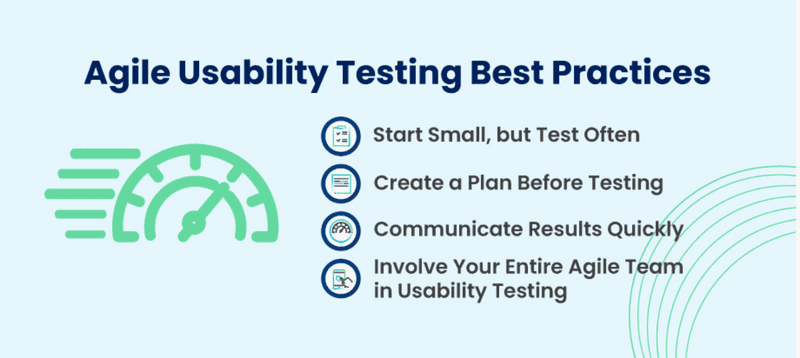
AI creative testing is a research process that uses advanced analytics to evaluate how audiences respond to different ad concepts, visuals, and messaging before a campaign scales. By analyzing emotional response, attention distribution, and behavioral signals, it helps marketers identify which creative elements drive engagement and conversion, replacing guesswork with predictive, data-driven decisions.

Creative can make or break a campaign.
In performance marketing, two brands may target the same audience with similar budgets and media strategies. Yet one campaign significantly outperforms the other. The difference often lies in creative execution.
Creative testing is the structured process of evaluating creative concepts, messages, visuals, and formats before or during campaign launch to determine what resonates most with audiences.
In today’s data-driven marketing environment, creative testing is no longer optional. It is essential for improving campaign performance, optimizing advertising spend, and building stronger brand connections.

What Is Creative Testing?
Creative testing is a marketing research process used to evaluate how audiences respond to different creative assets before full-scale deployment.
Creative assets can include:
Static display ads
Video advertisements
Social media creatives
Packaging concepts
Website hero banners
Brand messaging frameworks
The goal of creative testing is to identify which elements drive attention, engagement, recall, and conversion potential.
Modern creative testing combines quantitative performance metrics with qualitative and emotional insights to deliver a deeper understanding of audience response.
Why Creative Testing Matters
Creative production is expensive. Media budgets are even more expensive.
Launching untested creative increases the risk of underperformance, wasted ad spend, and weak brand impact.
Effective creative testing helps organizations:
Validate concepts before expensive production
Improve click-through and conversion rates
Increase campaign effectiveness
Optimize messaging for specific audience segments
Reduce creative development costs
Strengthen brand perception
In performance marketing, even small improvements in creative effectiveness can lead to significant gains in return on ad spend.
The Evolution of Creative Testing
Historically, creative testing relied on focus groups, surveys, and A/B testing after campaigns went live. While useful, these approaches often lacked speed and predictive accuracy.

Today, AI-powered creative testing platforms use advanced analytics to evaluate:
Attention and visual focus
Emotional engagement
Message clarity
Cognitive load
Purchase intent signals
Instead of waiting for post-launch performance data, marketers can predict creative effectiveness before deployment.
This shift allows brands to move from reactive optimization to proactive creative strategy.
Types of Creative Testing
Creative testing can take several forms depending on business objectives.
Concept Testing
Early-stage ideas are evaluated before production. This helps teams decide which direction to pursue and avoid investing in weak creative concepts.
Message Optimization
Different combinations of visuals, headlines, and calls to action are tested to determine the most persuasive mix.
Emotional Impact Measurement
Understanding emotional response is critical. Ads that evoke strong emotional engagement tend to perform better in memory retention and brand recall.
Multi-Variant Testing
Multiple creative versions are tested simultaneously to compare effectiveness and select top performers.
Brand Alignment Testing
Creative is assessed to ensure it strengthens brand positioning and maintains consistency.
Audience-Specific Optimization
Creative variations are tested across demographic segments to tailor messaging effectively.
What Makes Creative Testing Effective?
A robust creative testing framework includes:
Clear testing objectives
Well-defined target audiences
Structured metrics for evaluation
Combination of behavioral and emotional data
Actionable insights that inform iteration
The strongest creative testing strategies integrate predictive analytics with real human response data.
How AI Is Transforming Creative Testing
AI has introduced a new layer of precision in creative testing.
Advanced AI algorithms can now:
Analyze visual saliency and attention patterns
Detect emotional responses through facial and behavioral cues
Predict engagement likelihood
Score creative effectiveness
Provide optimization recommendations
This allows marketing and insights teams to test creative concepts at scale while gaining deeper insight into what truly resonates.
How Entropik Supports Creative Testing
Entropik offers AI-powered Creative Testing solutions designed to help brands transform creative development with emotion intelligence.
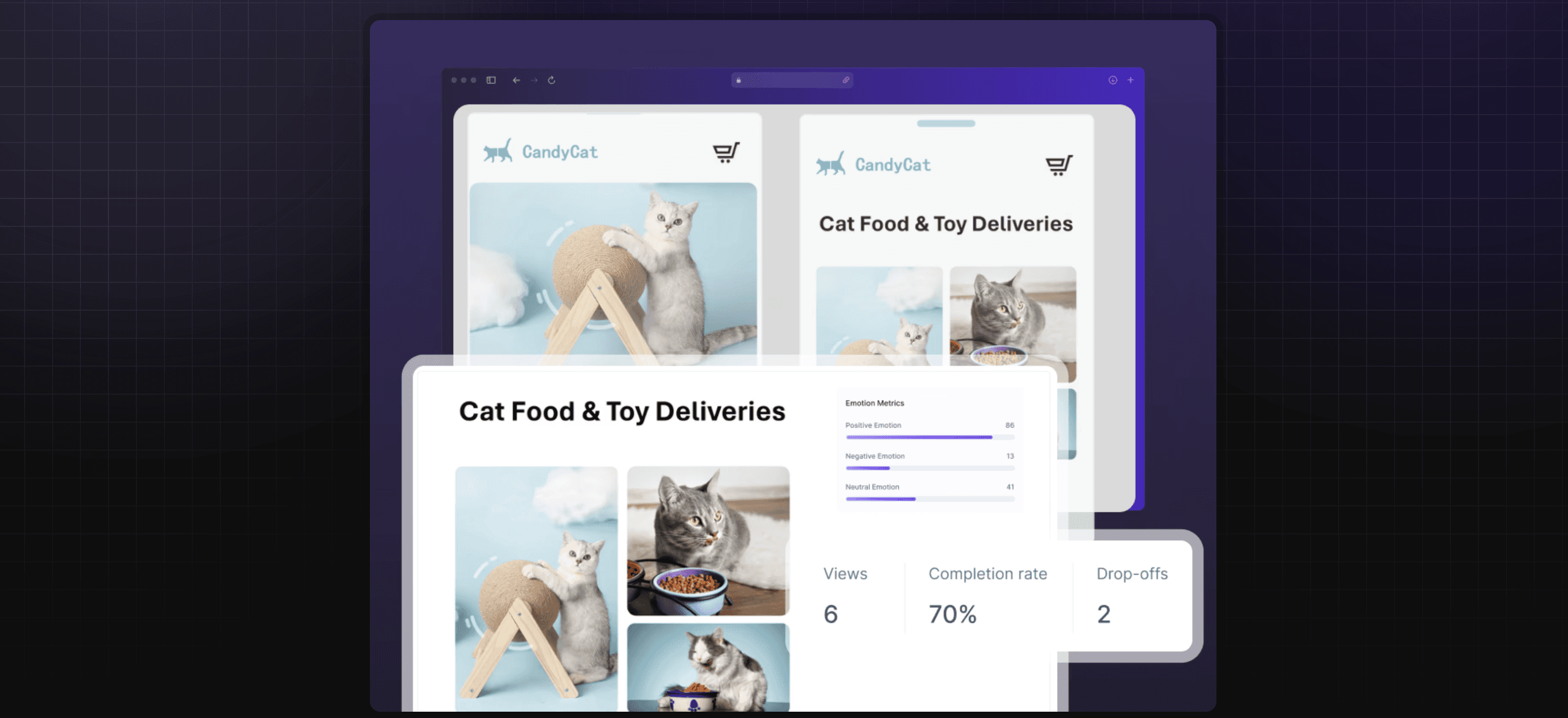
Through https://www.entropik.io/solutions/use-cases/creative-testing, organizations can test creative concepts, messages, and executions using advanced Emotion AI to uncover what drives real audience response.
With Entropik’s Creative Testing capabilities, teams can:
Upload creative concepts, mockups, or finished assets
Deploy testing across target demographic segments
Measure emotional engagement and behavioral signals
Receive predictive performance scores
Access AI-generated optimization recommendations
The process follows a structured workflow:
Creative Upload
Submit concepts, mockups, or final assets for evaluation.Audience Testing
Deploy assets to defined audience segments with emotion and engagement tracking.AI Analysis
Advanced algorithms analyze emotional responses, attention distribution, and behavioral signals.Creative Scoring
Receive performance scores and effectiveness predictions.Optimization Recommendations
Get specific guidance to refine visuals, copy, and messaging elements.
By integrating emotion analytics with creative performance metrics, Entropik enables brands to reduce creative development costs and increase campaign effectiveness through data-driven decisions.
Rather than relying solely on post-launch metrics, marketers can identify winning creative directions before scaling media budgets.
Creative Testing as a Competitive Advantage
In crowded digital environments, attention is scarce and user expectations are high. Brands that rely on instinct alone risk underperforming.
Creative testing allows organizations to:
Make evidence-based marketing decisions
Improve campaign ROI
Increase brand resonance
Accelerate iteration cycles
Strengthen audience connection
When combined with AI-powered emotion insights, creative testing becomes a predictive tool rather than just a measurement process.
Final Thoughts
Creative testing has evolved from manual focus groups to AI-driven predictive analytics. It is now a strategic pillar of modern marketing and consumer insights.
Organizations that adopt structured creative testing frameworks gain a measurable advantage in performance marketing, brand building, and customer engagement.
By combining concept validation, emotional impact measurement, and audience-specific optimization, creative testing ensures that campaigns resonate before they scale.
In a competitive market, testing creative is not a luxury. It is a necessity.
Frequently asked questions
1. What is AI creative testing?
AI creative testing uses predictive AI models to evaluate ad creative for attention, emotional impact, and likely performance before or during a campaign.
2. How does AI creative testing help optimize ad campaigns?
It identifies which creative variations are likely to perform best, allowing marketers to allocate media budget toward higher-performing assets and refine underperforming ones.
3. What metrics does AI creative testing typically evaluate?
Common metrics include attention capture, emotional engagement, brand recall, and predicted click-through or conversion likelihood.
4. How early in the creative process should AI testing be used?
AI testing can be used as early as storyboard or rough-cut stage, allowing teams to catch and fix issues before investing in full production.
5. What's the typical turnaround time for AI creative testing results?
Turnaround is often much faster than traditional focus groups, with many platforms delivering predictive results within hours rather than days or weeks.
Related Topic: