Visual storytelling in luxury branding is the strategic use of imagery, design, color, and symbolism to communicate a brand's identity, heritage, and aspiration without relying on text. Rather than listing product features, luxury brands frame products within aspirational settings, letting a single powerful visual communicate lifestyle, prestige, and emotional connection in seconds.
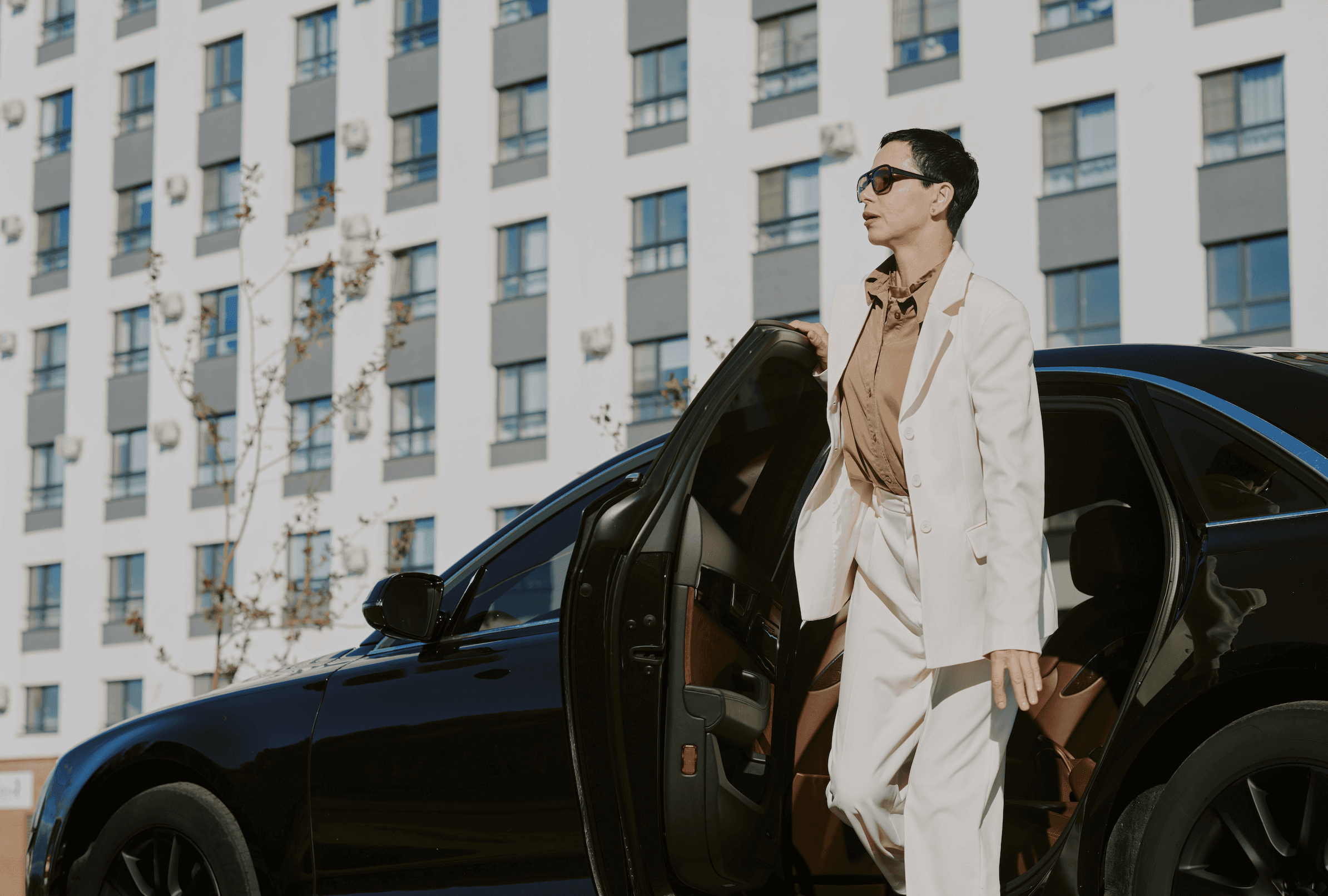
Why Visual Storytelling Defines Modern Luxury Marketing
Luxury brands rarely compete on functionality alone. A luxury watch, handbag, or car often carries meaning far beyond its practical use. What truly elevates these products is the story told through visuals, design, and symbolism.
This is where visual storytelling in luxury branding becomes powerful.
Visual storytelling uses imagery, design elements, cinematic campaigns, and symbolic cues to communicate a brand’s identity, heritage, and aspiration. Instead of explaining value through long descriptions, luxury brands allow visual experiences to communicate emotion, prestige, and lifestyle instantly.
In today’s digital-first world, where audiences consume content rapidly, visual storytelling helps luxury brands capture attention, build emotional connections, and reinforce brand perception within seconds.
What Is Visual Storytelling in Luxury Branding?
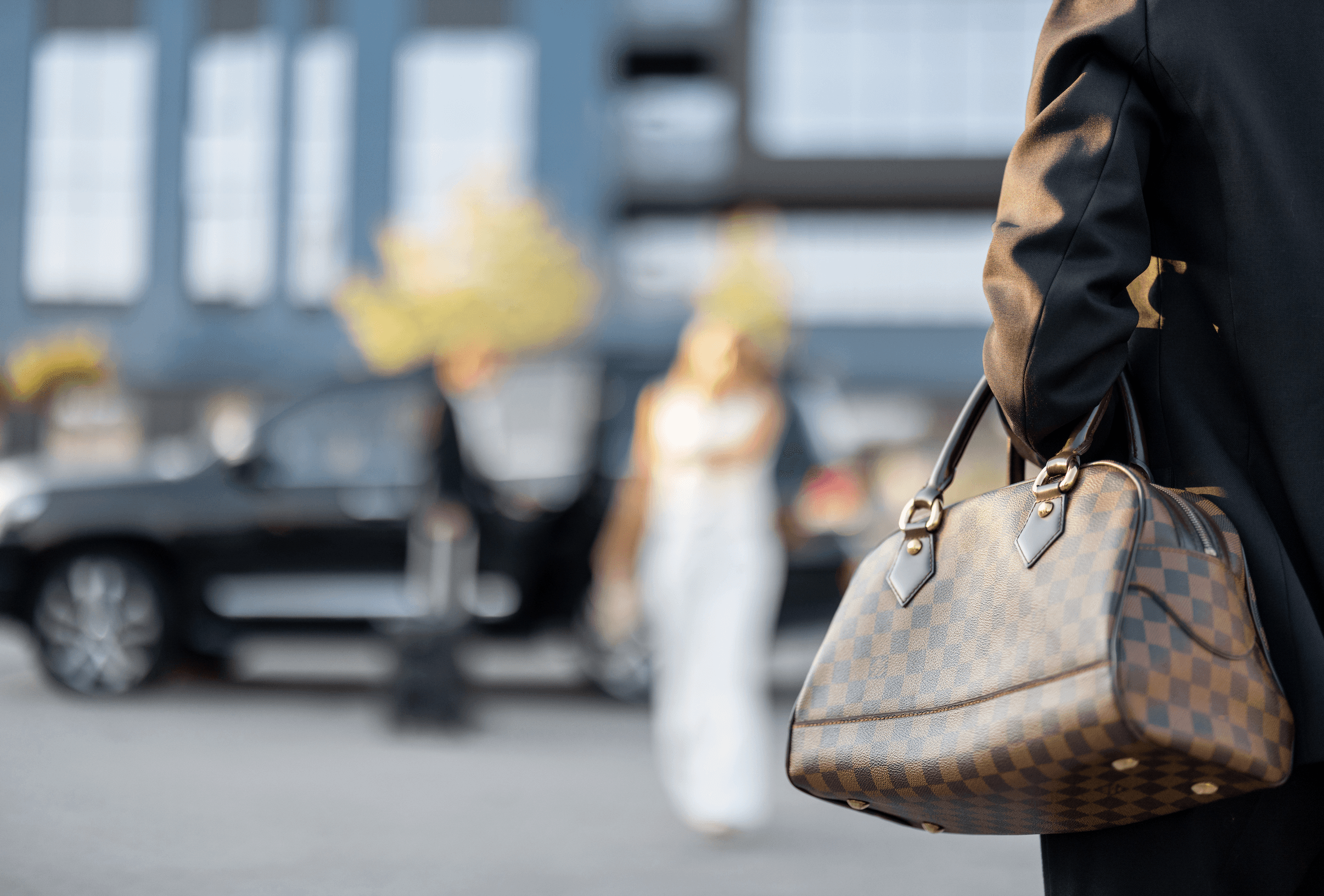
Visual storytelling refers to the strategic use of imagery, design, color, symbols, and creative direction to convey a brand narrative without relying heavily on text.
For luxury brands, visual storytelling communicates:
Heritage and craftsmanship
Prestige and exclusivity
Aspirational lifestyles
Cultural identity and symbolism
Emotional experiences associated with the brand
Rather than focusing on product features, luxury visual storytelling creates a world around the product. Consumers do not simply see a handbag or watch; they see the lifestyle, heritage, and identity that accompany it.
This approach allows luxury brands to communicate complex brand narratives through a single powerful visual.
Why Visual Storytelling Is Essential for Luxury Brands
Luxury brands rely heavily on perception. Visual storytelling helps shape how consumers interpret and emotionally connect with the brand.
Creating Instant Emotional Impact
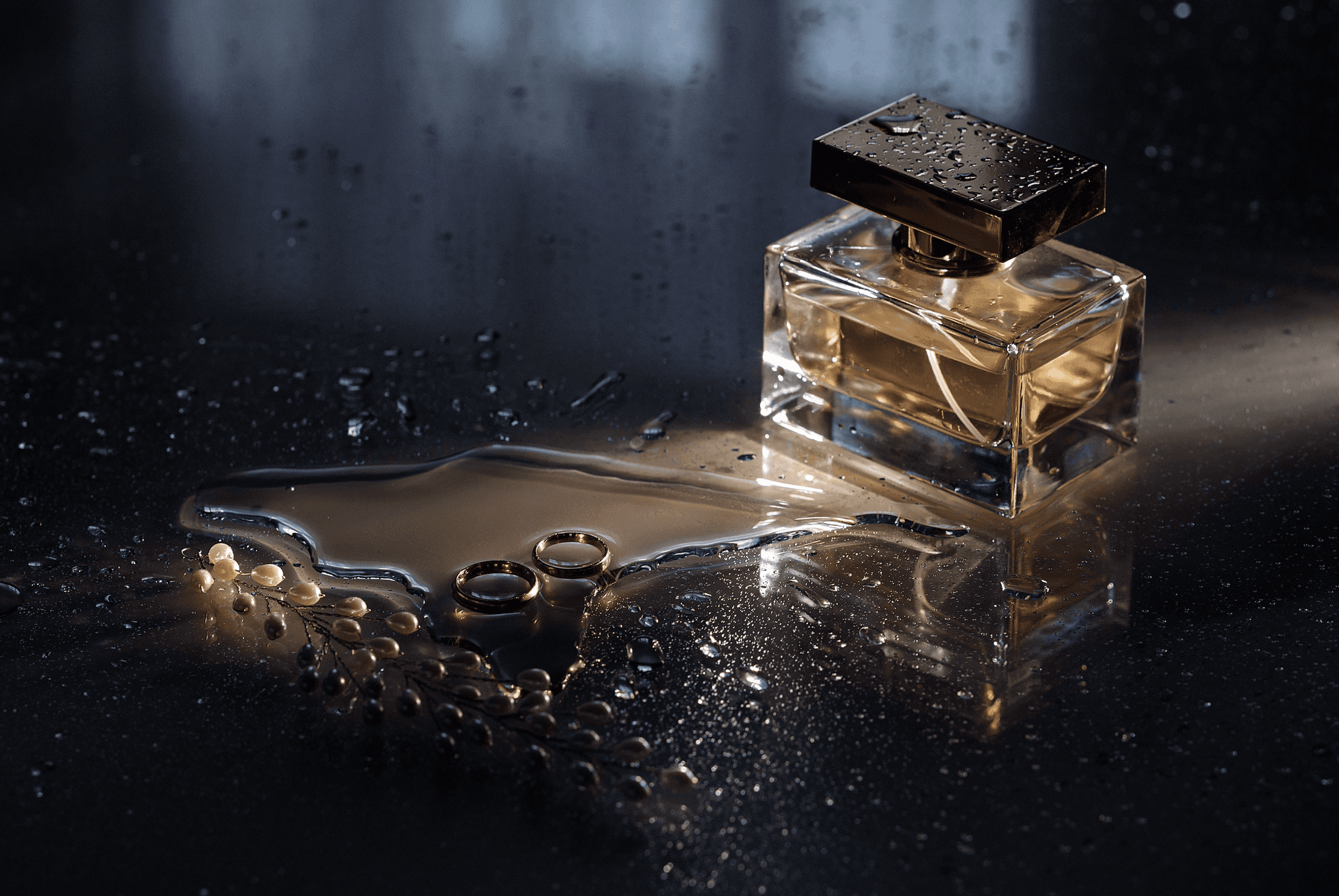
Visual storytelling communicates meaning faster than text. A well-crafted visual campaign can evoke aspiration, nostalgia, or prestige in seconds.
For example, many luxury fashion campaigns rely on cinematic photography and artistic visuals rather than detailed product explanations.
Reinforcing Brand Identity
Strong visual storytelling ensures that every brand interaction reflects a consistent identity.
Elements like color palettes, typography, photography style, and symbolism become instantly recognizable brand assets.
Luxury houses such as Chanel and Cartier maintain distinctive visual aesthetics that reinforce brand recognition across campaigns and platforms.
Elevating Product Perception
Luxury visual storytelling frames products within aspirational contexts. Instead of displaying products in isolation, brands place them within carefully designed narrative environments.
A luxury watch might be photographed in historical settings to emphasize heritage, while a fashion brand might present products within artistic storytelling environments.
These visuals elevate the perceived value of the product.
Key Elements of Visual Storytelling in Luxury Marketing
Successful luxury storytelling through visuals typically relies on several key elements.
Heritage and Craftsmanship Imagery
Many luxury brands emphasize craftsmanship through close-up visuals of materials, hand-finishing techniques, and artisanal processes.
These visuals communicate dedication to quality and reinforce authenticity.
Luxury watchmakers often showcase intricate mechanical movements and handcrafted details to demonstrate expertise and precision.
Aspirational Lifestyle Visuals
Luxury marketing frequently portrays the lifestyle associated with the brand.
Campaigns may depict elegant travel experiences, cultural sophistication, or artistic environments. These visuals allow audiences to imagine themselves within the brand’s world.
Rather than simply showing a product, brands present the life that comes with owning it.
Iconic Brand Symbols
Symbols are powerful storytelling tools in luxury branding.
Cartier’s panther, Rolex’s crown, and Louis Vuitton’s monogram are not just logos. They are visual cues that represent brand heritage, prestige, and identity.
Over time, these symbols become narrative devices that communicate meaning instantly.
Cinematic and Editorial Visual Style
Luxury storytelling often borrows techniques from cinema and editorial photography.
Campaigns use dramatic lighting, artistic direction, and storytelling environments to create a narrative atmosphere.
These visuals turn advertisements into visual narratives that audiences want to explore.
Strategies for Implementing Visual Storytelling in Luxury Marketing
For luxury brands, visual storytelling must be executed strategically across multiple channels.
Consistent Visual Identity
Every visual touchpoint—from advertisements to social media content—should reflect the brand’s aesthetic and narrative.
Consistency helps audiences instantly recognize the brand across platforms.
Luxury brands maintain strong visual codes such as signature colors, photography style, and design elements.
Multi-Platform Visual Narratives
Luxury storytelling now extends beyond traditional print advertising.
Brands use multiple visual platforms such as:
Social media campaigns
fashion films and cinematic content
immersive digital experiences
editorial storytelling and digital magazines
experiential retail design
These platforms allow brands to create layered visual narratives that engage audiences across different channels.
Influencer and Creative Collaborations
Luxury brands often collaborate with artists, filmmakers, and influencers who embody the brand’s narrative.
These collaborations help extend visual storytelling while maintaining authenticity and cultural relevance.
Creative partnerships allow brands to reinterpret their stories through new artistic perspectives.
Immersive Brand Experiences
Luxury storytelling increasingly involves immersive experiences that bring visual narratives to life.
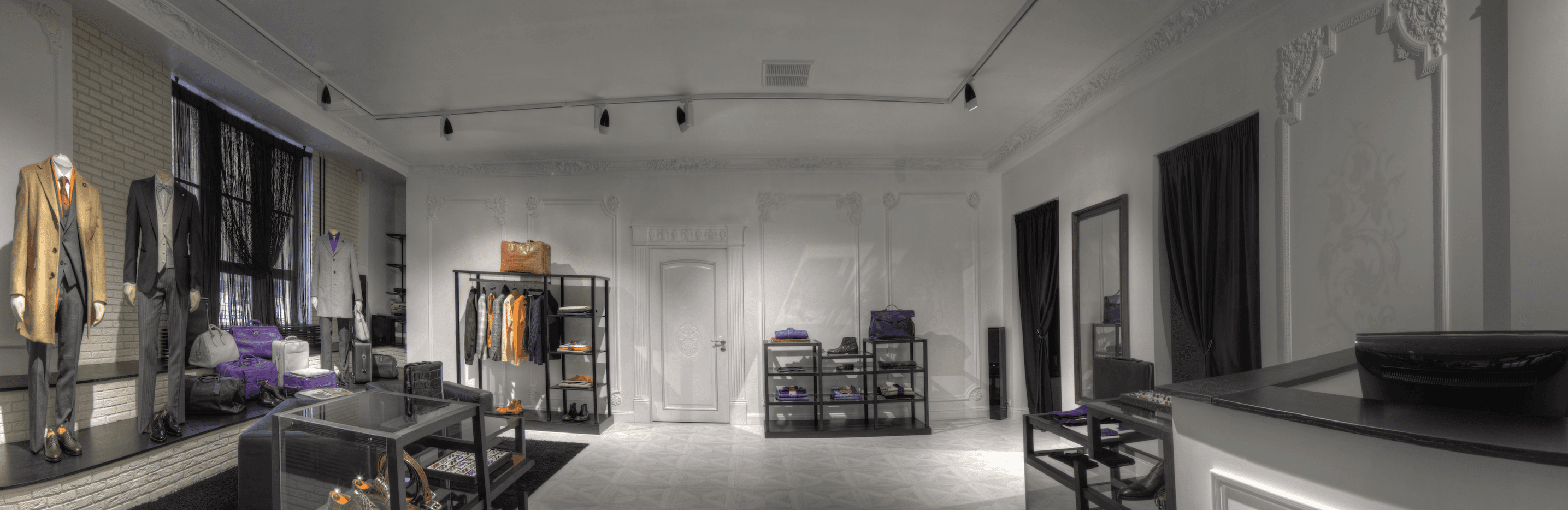
Pop-up galleries, brand exhibitions, and experiential retail environments allow audiences to interact directly with the brand’s story.
These experiences transform visual storytelling into memorable brand moments.
Why Visual Storytelling Needs Consumer Insights
While creative direction drives luxury storytelling, understanding audience perception is equally important.
Luxury brands invest heavily in visual campaigns, photography, and creative production. However, without consumer insights, it can be difficult to know whether visual storytelling truly resonates with the target audience.
Brands must understand:
Which visual elements capture attention first
How audiences emotionally respond to storytelling imagery
Whether the narrative communicates the intended brand perception
Which creative assets generate stronger engagement
Testing visual storytelling before launching campaigns helps brands reduce creative risk and improve campaign performance.
How Entropik Helps Brands Optimize Visual Storytelling
Luxury visual storytelling depends heavily on emotional connection, attention, and perception. Platforms like Decode by Entropik help brands understand how audiences respond to visual narratives before campaigns go live.
Using advanced behavioral insights, Decode enables brands to evaluate creative storytelling through:
Eye gaze tracking to measure visual attention
Emotion AI to analyze emotional engagement
creative testing to compare storytelling concepts
consumer insights to understand audience perception
These insights allow luxury marketing teams to refine campaign visuals, identify high-performing creative elements, and ensure their storytelling resonates with the right audience.
By combining creative intuition with behavioral intelligence and AI-powered insights, brands can craft visual narratives that are not only beautiful but also effective.
Final Thoughts
Luxury brands succeed not just because of what they sell, but because of the stories they tell.
Visual storytelling allows brands to communicate heritage, aspiration, and identity in ways that resonate deeply with audiences. Through imagery, symbolism, and design, luxury brands transform products into experiences and cultural symbols.
In an increasingly visual digital landscape, brands that master visual storytelling will continue to stand out.
And when these creative narratives are supported by consumer insights and behavioral data, luxury brands can ensure their stories captivate audiences while delivering measurable impact.
Frequently asked questions
1. What is visual storytelling in luxury branding?
It's the use of imagery, composition, and aesthetics to communicate a brand's values, craftsmanship, and exclusivity without relying heavily on text or explicit claims.
2. Why is visual storytelling especially important for luxury brands?
Luxury purchases are often driven by emotion and aspiration rather than function, so strong visual narratives help build desire and reinforce brand prestige.
3. How can brands measure the effectiveness of their visual storytelling?
Emotion AI and attention testing can reveal which visual elements evoke desire or admiration, helping brands refine imagery to strengthen perception.
4. What visual elements are most associated with luxury branding?
Common elements include minimalist composition, high-quality craftsmanship details, rich textures, and imagery that evokes exclusivity or aspiration.
5. How does luxury brand visual storytelling differ across cultures?
Symbols of luxury and desire can vary by culture, so brands often adapt visual storytelling elements like color, imagery, and narrative to resonate with different regional audiences.
Related Topic: