Overall Score
82 / 100
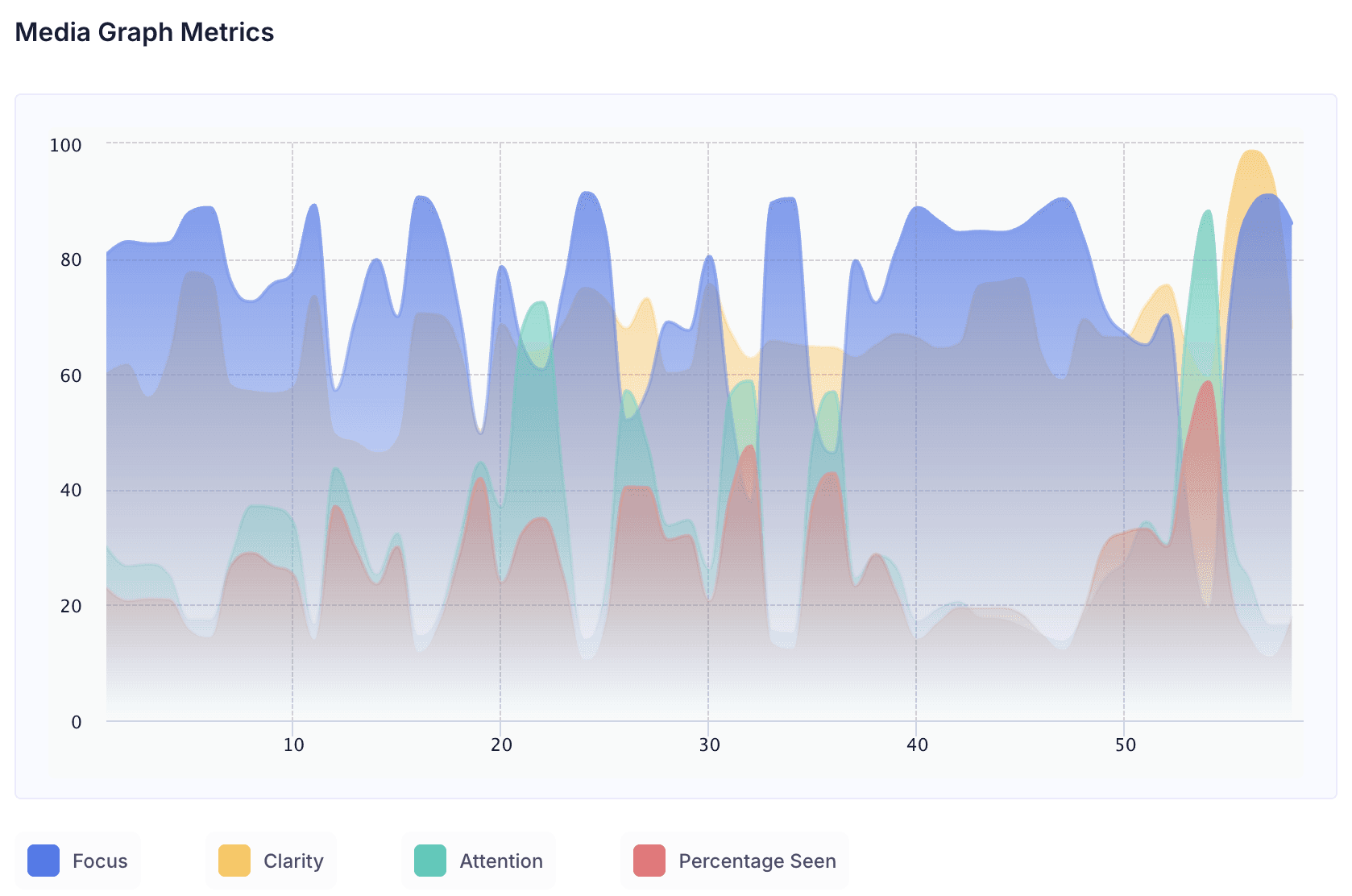
Highest Focus
91 at 24s
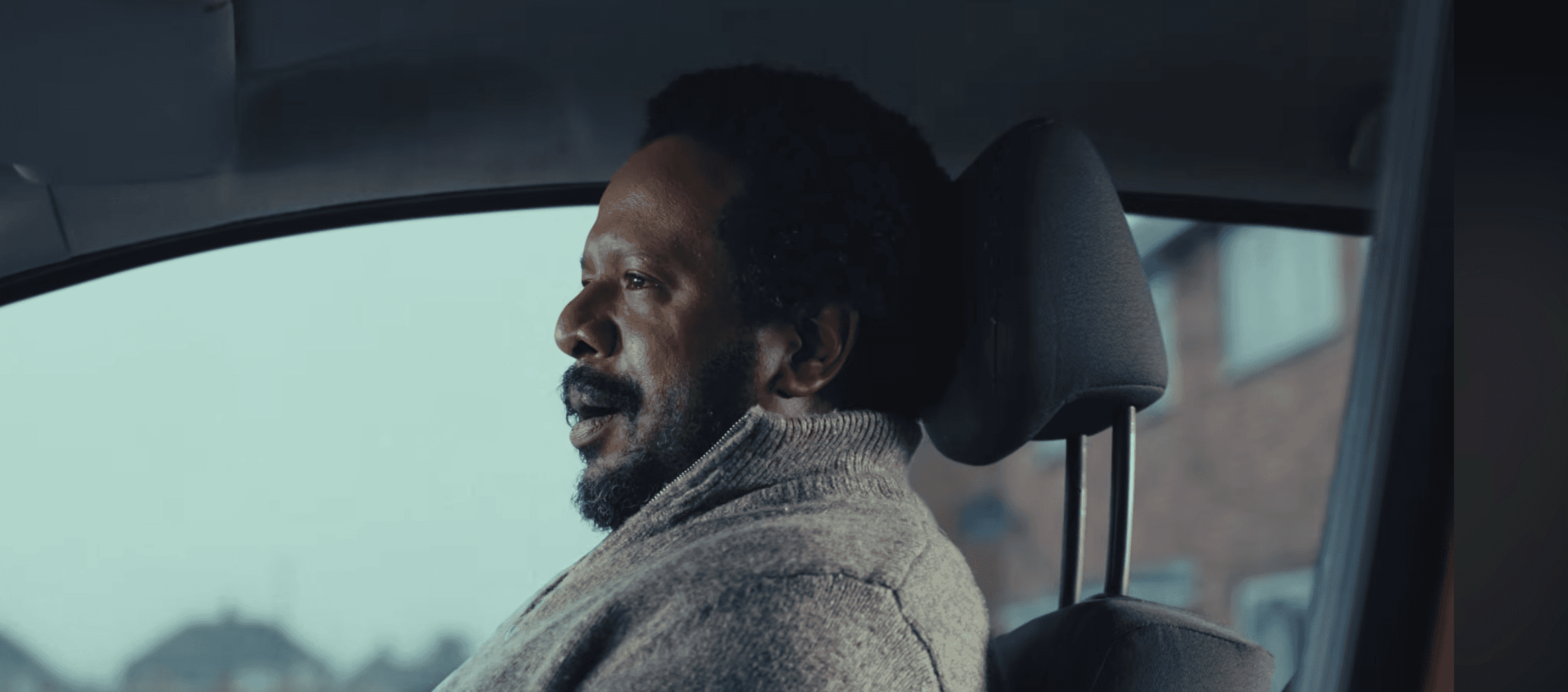
Focus peaks when the main character is framed centrally in the living room reacting to the increasingly strange situations unfolding around him.
At this moment, the camera isolates his expression — wide eyes and raised eyebrows — as he tries to process what he is seeing.
Because the frame is visually simple and his reaction dominates the screen, viewers instinctively lock onto his face.
His exaggerated reaction acts as a visual anchor, guiding viewers through the chaos happening in the background.
Lowest Focus
19 at 54s
Focus drops during the final chaotic sequence when multiple visual elements appear at once.
The frame includes several competing elements — characters moving in the background, bright confetti, props, and environmental details — which creates visual clutter.
Because viewers’ eyes move between these different elements simultaneously, the visual hierarchy weakens and overall focus drops.
Highest Clarity
99 at 56s
Clarity peaks during the closing moment of the ad when the visual chaos settles and the brand message lands.
The frame simplifies dramatically compared to earlier scenes. The composition becomes cleaner and calmer, allowing the viewer to clearly understand the narrative payoff and Tesco’s role in the story.
This shift from chaos to clarity ensures the brand message is easy to process.
Lowest Clarity
46 at 14s
Clarity dips when the first wave of surreal events begins to disrupt the normal household environment.
The sudden appearance of strange characters and unexpected visual elements creates confusion for a brief moment as viewers try to understand what is happening.
This confusion is intentional — the ad uses this moment to transition from normal domestic life into its comedic surreal world.
Highest Attention
88 at 54s
Attention spikes when the most visually surprising moment appears near the end of the ad.
At this point the ad stacks several unusual visuals in quick succession, including unexpected characters and exaggerated reactions.
The novelty of these sudden changes instinctively pulls viewer attention toward the screen.
Lowest Attention
14 at 24s
Attention dips briefly when the narrative pauses between two surreal events.
The scene resets visually before introducing the next unexpected moment, creating a short lull where viewers are not processing new information.
This pause acts as a breathing space before the next comedic escalation.
Summary
“Need Anything from Tesco?” begins with a quiet and relatable domestic moment: a family relaxing on the couch in their living room.
Suddenly, the ordinary environment starts filling with bizarre interruptions.
A man in bright swimwear casually walks through the room holding a pink drink. A giant multi-tier cake appears in the middle of the living room before exploding with confetti. A hallway suddenly fills with uniformed schoolchildren who stare silently before biting into apples at the same time.
The chaos continues as workers appear remodeling the kitchen, and later a ghost-like woman floats through the room — which the main character reacts to with amused disbelief rather than fear.
Each scene feels like a new surreal answer to the question “Need anything from Tesco?” — suggesting that whatever you might unexpectedly need, Tesco has it.
The ad ends by returning viewers to normality, reinforcing Tesco as the solution behind the absurd scenarios.
Emotional Insights
The ad maintains a strong positive emotional tone (72%), supported by happiness (63%) and a very high surprise score (78%).
The humor relies on progressively absurd domestic interruptions that escalate throughout the ad. Rather than following a traditional story arc, the film stacks increasingly bizarre visual moments — each one surprising the viewer before the next scenario appears.
Negative emotions remain relatively low and non-threatening (fear 18%, anger 8%, disgust 14%), meaning the strange moments land as lighthearted chaos rather than discomfort.
The emotional experience is driven primarily by surprise and curiosity, keeping viewers wondering what unexpected situation will appear next.
The Commercial
Heatmap Video
Fogmap Video
Suggestion for Improvement
Introduce the Tesco brand slightly earlier to connect the surreal events more directly to the retailer.
Reduce visual clutter in late-stage scenes so viewer focus remains stronger.
Extend the final brand moment to stabilize attention after the surprise peak.
Decode Takeaway
“Need Anything from Tesco?” demonstrates how surreal humor and escalating visual surprises can sustain engagement throughout an ad.
By transforming an ordinary household into a sequence of bizarre situations, Tesco creates a commercial that is playful, memorable, and curiosity-driven — while subtly reinforcing the brand’s promise of always having what customers need.