Overall Score
80 / 100
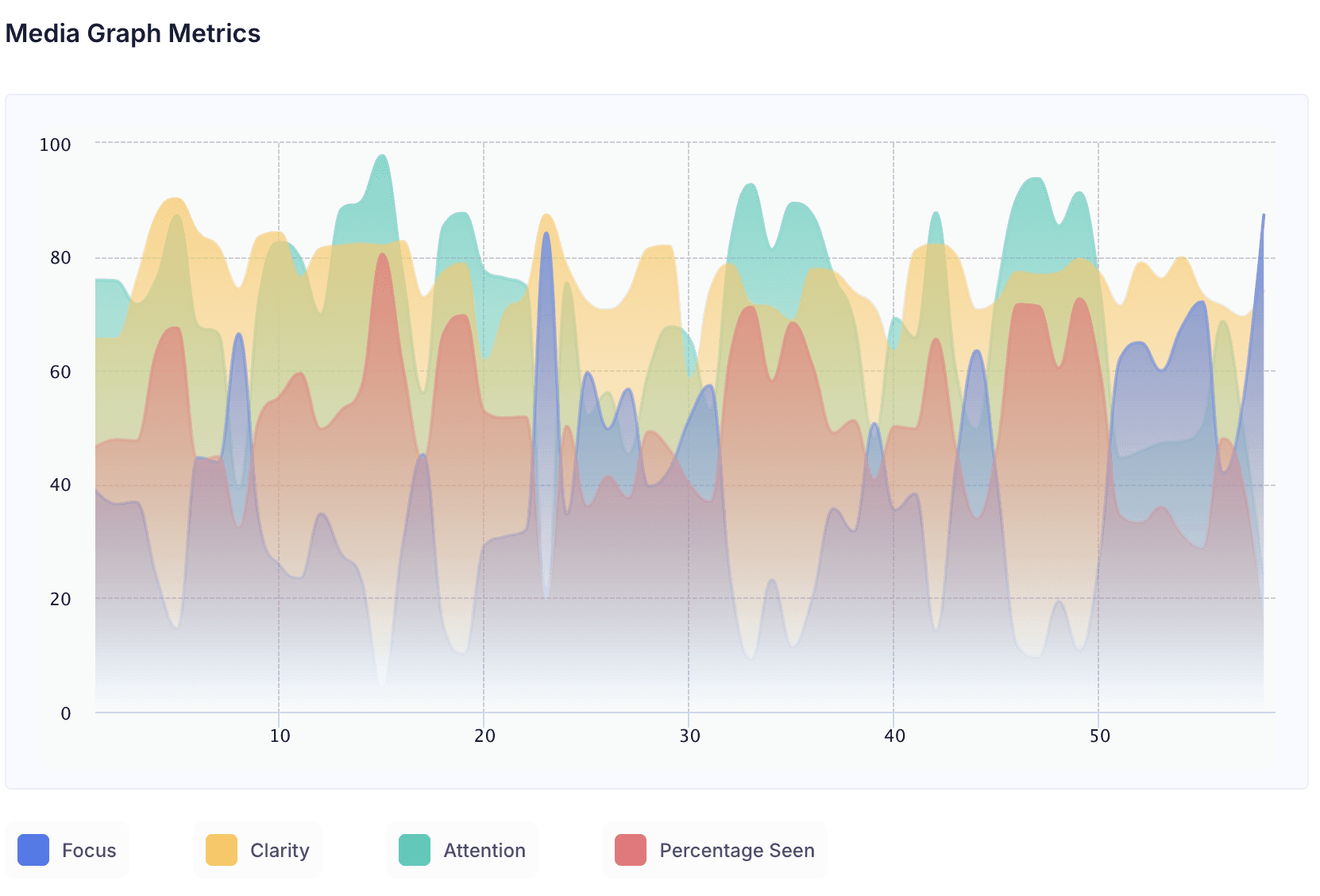
Highest Focus
84 at 23s
Focus peaks during a tight close-up of active music performance, where hands and instrument fill the frame.
The camera isolates motion and detail — fingers pressing keys or strings — eliminating distractions and pulling the viewer into the act of creation.
Lowest Focus
4 at 15s
Focus drops sharply during a fast transitional moment between subjects, where multiple visual elements briefly compete.
The shift between performers and angles reduces visual hierarchy, making it harder for the eye to settle.
Highest Clarity
90 at 5s
Clarity is strongest early, when the visual language is simple and grounded — a single subject, a clear instrument, and controlled framing.
The viewer immediately understands the theme: people and music, deeply connected.
Lowest Clarity
58 at 30s
Clarity dips during the more abstract, emotionally driven mid-section, where rapid cuts and expressive shots prioritize feeling over message clarity.
While emotionally rich, the narrative becomes less explicit at this point.
Highest Attention
98 at 15s
Attention spikes at a moment of heightened emotional expression, likely when a performer sings or plays intensely with visible passion.
Strong facial expression, closed eyes, and dynamic movement naturally pull viewer attention.
Lowest Attention
44 at 51s
Attention dips toward the end resolution phase, where the energy softens and the film transitions into closure.
This is typical as emotional tension resolves and visuals become calmer.
Summary
The film showcases people deeply engaged with music, across different instruments and environments.
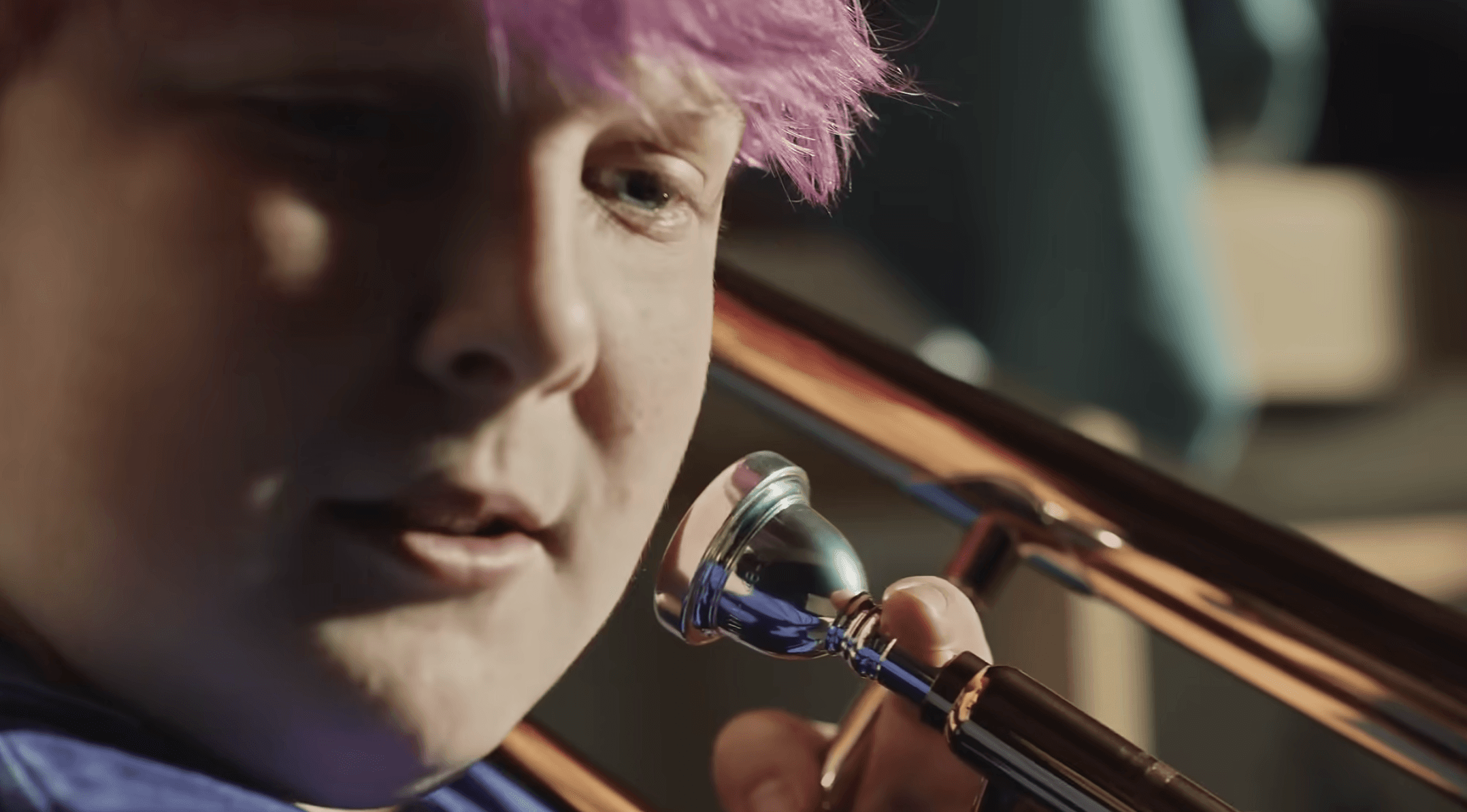
We see close-ups of hands on keys, strings, and drums, paired with tight facial shots of concentration — slightly furrowed brows, closed eyes, and controlled breathing.
The visuals emphasize texture and intimacy — skin, instrument surfaces, and movement — making the experience feel personal.
Midway, emotional intensity builds through expressive performance moments, including singing with eyes closed and stronger physical engagement.
The film resolves with soft smiles and relaxed expressions, paired with the message that the person themselves is the instrument.
The final branding reinforces Yamaha’s positioning around human creativity rather than just products.
Emotional Insights
The ad delivers a strong positive emotional profile (80%), driven by happiness (72%) and a steady layer of emotional depth (sadness 18%).
Unlike high-energy ads, this film leans into quiet emotional engagement. The tone is reflective and immersive rather than loud or attention-seeking.
Negative emotions remain low (fear 6%, anger 5%, disgust 4%), ensuring the experience feels safe, calming, and inspiring.
The emotional arc builds from focus and concentration → emotional expression → satisfaction and joy, mirroring the journey of creating music.
The Commercial
Heatmap Video
Fogmap Video
Suggestion for Improvement
Introduce a slightly stronger mid-film anchor to maintain clarity during abstract transitions.
Reinforce brand presence subtly during peak emotional moments, not just at the end.
Balance transitions to avoid sharp drops in focus during scene changes.
Decode Takeaway
“You Are The Instrument” stands out by choosing emotional immersion over spectacle.
Instead of chasing attention through noise, Yamaha builds a deep, human connection with creativity, making the ad feel personal, authentic, and quietly powerful.