CPG consumer insights help brands understand how shoppers actually behave at the point of purchase, revealing what influences product selection, what causes hesitation, and what drives repeat buying in a category where most decisions happen quickly and subconsciously. By combining behavioral data with traditional feedback, CPG brands can refine packaging, pricing, and shelf placement decisions with far more confidence than relying on stated preferences alone.
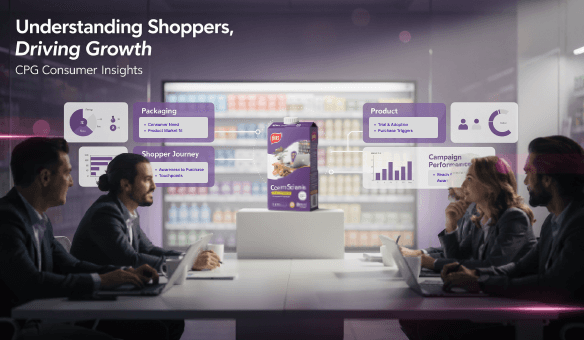
CPG brands operate in one of the most competitive environments in business. Shopper preferences shift quickly, categories get crowded fast, and small decisions around packaging, pricing, messaging, and placement can have an outsized impact on growth. That is why CPG consumer insights matter. They help brands move beyond assumptions and understand what shoppers actually do, what influences them, and what should change next.
In practice, CPG consumer insights are not just about collecting data. They are about turning data into decisions. The most useful insights help brands understand shoppers more clearly, spot meaningful patterns, and act with greater confidence across product, category, and marketing strategy.
What are CPG consumer insights?
At a simple level, CPG consumer insights are the findings brands draw from shopper, consumer, and market data to better understand behavior, motivations, needs, and decision drivers in the consumer packaged goods category.
The key word is insights, not just data. Raw information on its own does not create value. It becomes useful when it explains what is happening, why it is happening, and what a brand should do about it.
In a CPG context, that can mean understanding:
what drives purchase behavior
how shoppers respond to packaging and shelf visibility
what influences switching or repeat purchase
how preferences differ by channel, segment, or occasion
which product or campaign ideas are most likely to resonate
That is why consumer packaged goods insights are so valuable. They help brands connect consumer behavior to business action rather than stopping at descriptive reporting.
Why do CPG brands need consumer insights?
CPG brands need insights because the market moves quickly and shopper behavior is rarely static. What worked six months ago may not work today. Preferences shift, channels evolve, new competitors appear, and consumers respond to value, convenience, quality, and emotion in ways that are not always obvious from sales data alone.
Consumer insights help CPG brands answer questions like:
Who is buying our product today?
Who is not buying it, and why?
What is influencing purchase decisions in this category?
What role do packaging, placement, messaging, and price play?
Where are shoppers experiencing friction in the journey?
What unmet needs or motivations should inform innovation?
For CPG teams, this matters because decisions often need to be made across multiple functions at once. Brand teams need sharper messaging. Category teams need stronger assortment and positioning decisions. Product teams need better innovation signals. Shopper marketing teams need clearer views of how consumers behave across retail and e-commerce environments.
Good insights help all of those teams work from a stronger understanding of the consumer, not just the category.
What data powers CPG consumer insights?
Useful CPG consumer insights data usually comes from multiple sources, not just one. The strongest insight functions combine behavioral, attitudinal, and contextual inputs so teams can see both what people do and why they do it.
Common inputs include:
Shopper and purchase data
This can include panel data, retail measurement, loyalty data, basket behavior, and channel performance. It helps brands understand what shoppers buy, how often they buy, where they buy, and what changes over time.
Surveys and interviews
These help brands understand needs, preferences, perceptions, and motivations more directly. They are often useful for learning how consumers describe their decisions and how they react to concepts, claims, products, or brand messages.
Usage and attitude research
This helps brands understand how products fit into daily life, what role they play in routines, and what unmet needs exist around usage occasions.
Category and trend signals
Broader consumer behavior trends and CPG industry trends help put brand performance into context. A category may be growing, fragmenting, premiumizing, or becoming more value-driven, and that changes how consumer insights should be interpreted.
The point is not to collect more data for its own sake. It is to build enough evidence to understand shoppers in a way that is actionable.
How CPG consumer insights help brands understand shoppers
This is where CPG consumer insights become most valuable. They help brands move from surface-level observations to a clearer understanding of shoppers.
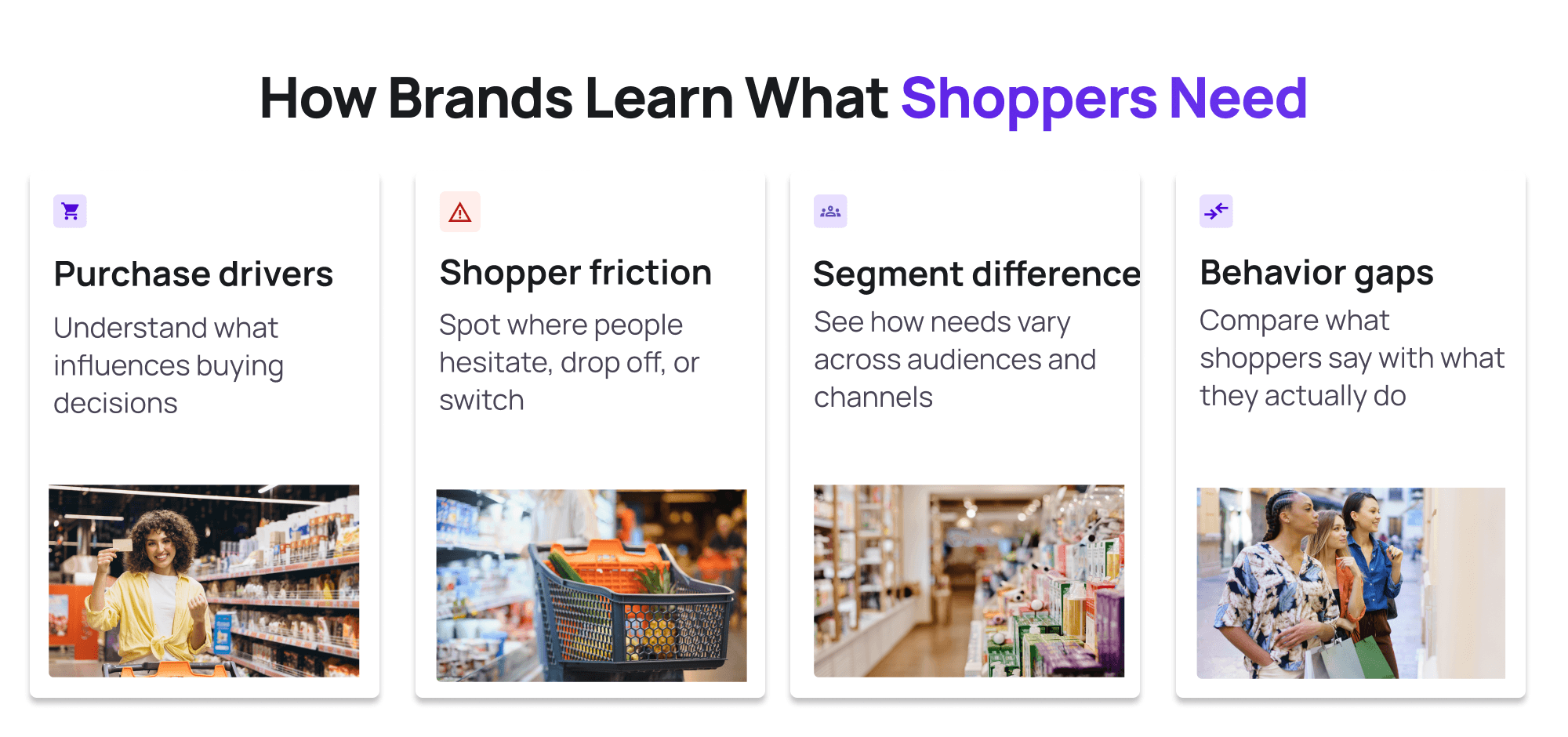
They reveal what drives purchase
Shoppers do not choose products for one reason alone. Decisions are shaped by a mix of habit, value, packaging, convenience, trust, taste, claims, promotions, and emotional response. Strong insights help brands separate assumed drivers from real drivers.
They uncover friction in the shopper journey
Sometimes the challenge is not the product itself, but what happens around it. A package may be hard to notice. A shelf may be too crowded. A mobile product page may not communicate value clearly. Journey-level insight helps brands identify where shoppers hesitate, drop off, or switch.
They show how behavior differs across segments
A brand may appeal to one consumer segment for one reason and another segment for a completely different reason. Good insight work helps teams avoid treating all shoppers as one audience.
They help explain the gap between stated preference and real behavior
Consumers do not always articulate their reactions clearly, and what they say does not always fully match what they do. That is one reason brands need more than surveys alone. They need insight approaches that connect stated responses to actual attention, emotional reactions, purchase behavior, and context.
In short, CPG consumer insights help brands understand shoppers at a level that supports better action, not just better reporting.
How CPG consumer insights support business growth
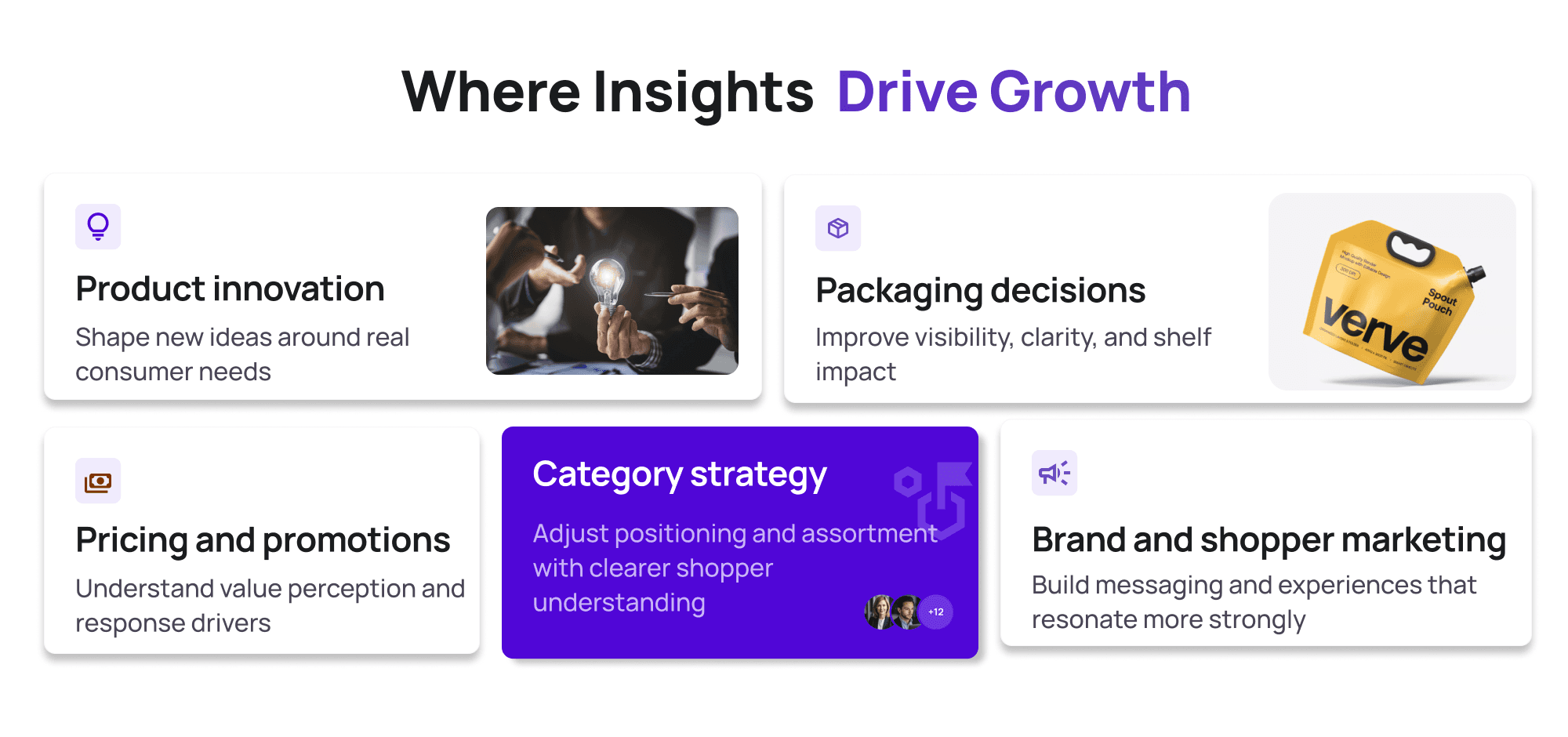
Insights matter because they support decisions that affect growth.
Product innovation
Consumer insight helps brands identify unmet needs, evaluate product concepts, and refine innovation before launch. When teams understand what consumers care about and what barriers exist, they can make product decisions with more confidence.
Packaging and communication
In CPG, packaging is often the first message a shopper sees. Insights help brands understand whether packaging is noticed, understood, and persuasive enough to influence purchase.
Pricing and promotions
Consumer insight helps brands understand value perception, price sensitivity, switching behavior, and what actually motivates response to promotions.
Category strategy
Brands need to know where they fit in the wider category and how shopper behavior is changing. Insights help them adjust assortment, positioning, and channel strategy more effectively.
Brand and shopper marketing
A clearer understanding of consumer motivations makes it easier to develop messaging, campaigns, and shopper experiences that resonate.
This is where consumer packaged goods market research connects closely to insight work. Research helps brands gather evidence, while insights help turn that evidence into better decisions.
CPG consumer insights and CPG market research: how they connect
Brands often use the terms interchangeably, but they are not exactly the same.
CPG market research is the broader process of collecting information through methods like surveys, interviews, panels, testing, and analysis. It is the input side of the work.
CPG consumer insights are what brands derive from that information. They are the patterns, explanations, implications, and recommendations that help teams make decisions.
So the relationship is best understood like this:
market research gathers the evidence
consumer insights interpret what it means
the business decides how to act
That distinction matters because many organizations do not struggle with collecting data. They struggle with converting data into usable, decision-shaping insight.
Common challenges with CPG consumer insights
Even strong brands can struggle to get full value from consumer insights.
Too much data, not enough clarity
Teams may have dashboards, trackers, surveys, and sales reports, but still lack a clear point of view on what matters most.
Fragmented sources
Different teams may hold different pieces of the insight puzzle, which makes it hard to create a unified view of the shopper.
Difficulty turning insight into action
Even when findings are available, they do not always translate into product, packaging, or campaign changes quickly enough.
Overreliance on stated responses
Consumers may not always be able to explain their reactions fully. If brands rely only on what people say, they may miss what actually influences choice.
Weak visibility across teams
If insights are not accessible to brand, category, product, and marketing teams in usable formats, they lose value.
These are not just research problems. They are business execution problems.
How Entropik helps CPG brands act on consumer insights
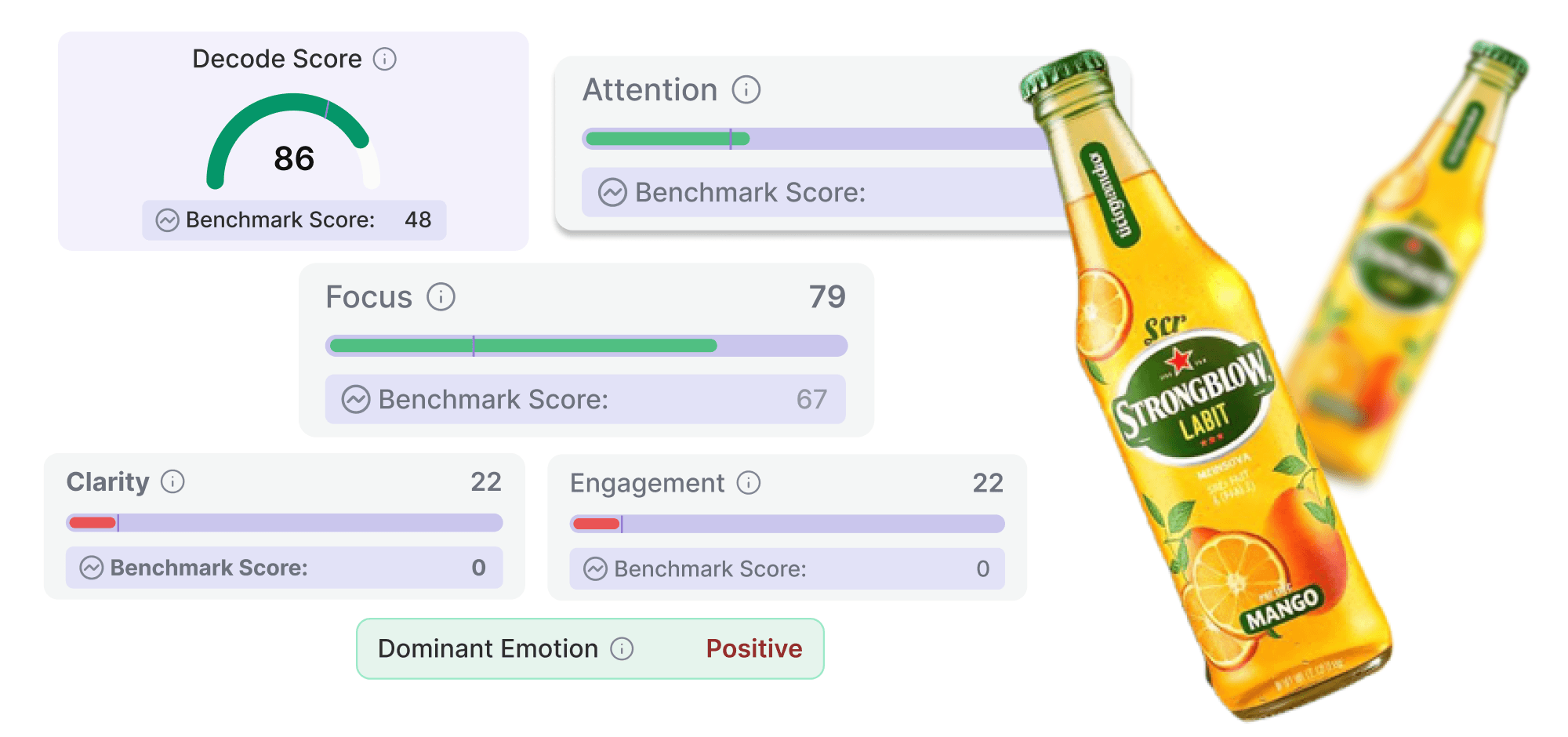
This is where platforms like Decode by Entropik can help brands turn shopper signals into more applied, decision-ready insights. Entropik’s CPG solutions are built around helping brands make consumer-backed product decisions using Emotion AI and attention tracking to understand shopper behavior across products, packaging, shopper journeys, and campaigns.
In practical terms, that means helping CPG brands:
validate new products and SKUs using emotional reactions, attention scores, and purchase-likelihood signals across target segments, rather than relying only on stated preferences
optimize packaging before launch with webcam-based eye tracking to assess design impact, label readability, and shelf visibility
understand shopper journeys across channels by decoding attention flow across in-store, e-commerce, and mobile experiences to spot friction and confusion
pre-test campaigns faster with emotion, attention, and recall benchmarks before launch
This is where consumer insights become more actionable across product, packaging, shopper, and campaign decisions.
Final thoughts
CPG brands do not need more data for its own sake. They need better understanding. That is what CPG consumer insights are meant to provide.
When done well, consumer insights help brands understand shoppers more clearly, connect behavior to business decisions, and reduce guesswork across innovation, packaging, category strategy, and marketing. They help teams move beyond static reporting toward decisions that are faster, more relevant, and more grounded in how consumers actually think and behave.
For CPG teams, that makes consumer insights more than a research output. It makes them a growth capability. And for brands looking to generate clearer, consumer-backed insights, platforms like Decode by Entropik can help turn shopper attention, emotional response, and purchase signals into faster, more confident product, packaging, and campaign decisions.
FAQs
What are CPG consumer insights?
CPG consumer insights are the findings brands derive from shopper, consumer, and market data to better understand behavior, motivations, needs, and purchase drivers in the consumer packaged goods category.
Why are consumer insights important in the CPG industry?
They help brands understand shoppers more clearly, reduce guesswork, and make better decisions around products, packaging, pricing, category strategy, and campaigns.
What data is used in CPG consumer insights?
Common inputs include shopper and purchase data, surveys, interviews, usage and attitude studies, retail or panel data, and broader consumer behavior and category trend signals.
How do CPG consumer insights help brands understand shoppers?
They help brands identify what drives purchase, where friction exists in the shopper journey, how segments differ, and where stated preferences may not fully match real behavior.
What is the difference between CPG consumer insights and CPG market research?
CPG market research is the process of gathering evidence through methods like surveys, interviews, and panel analysis. CPG consumer insights are the conclusions and implications brands draw from that evidence to guide decisions.
See how CPG brands can turn consumer insights into faster, more confident product, packaging, and shopper decisions.
Related Topic: